
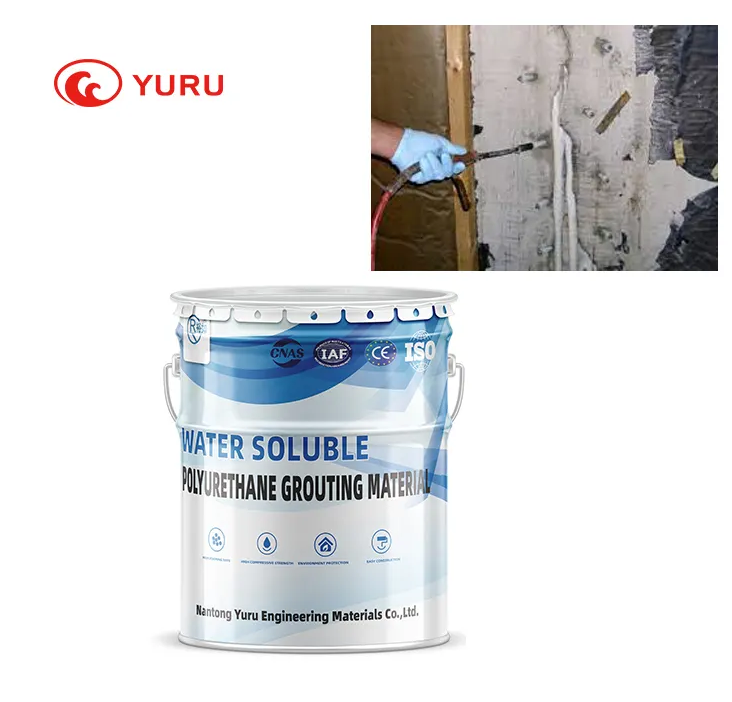
Choosing a waterproof coating isn't just about price. Buyers also need to consider waterproofing performance, flexibility, adhesion, application conditions, and how well the coating holds up over time.
A water based polyurethane waterproof coating uses water as its main dispersion medium. Buyers often consider this type of coating for building projects where less solvent use and lower application odor are preferred.
Water-based and solvent-based polyurethane coatings aren't necessarily alike in performance or application. The right choice depends on the formulation and what the project requires.
This guide covers how water based polyurethane waterproof coatings work, where they're used, how they compare with solvent-based products, and what to look for when choosing a coating or manufacturer.
What Is Water Based Polyurethane Waterproof Coating?
Water based polyurethane waterproof coating is a liquid-applied waterproofing material formulated with polyurethane resin dispersed in water.Once applied, the water evaporates and the coating forms a continuous polymer film. With the right formulation and application thickness, this film can provide a waterproof layer on compatible building surfaces.Unlike conventional solvent-based polyurethane coatings, water-based formulations use water as their primary dispersion medium rather than relying mainly on organic solvents.
The formulations aren't all the same, though. Some waterborne coatings also contain coalescing agents, additives, or other ingredients that affect drying, adhesion, flexibility, and the properties of the finished film.For buyers, it's better to assess the coating's actual performance than to assume every water-based PU product has the same properties.
Key Advantages of Water Based Polyurethane Waterproof Coating
1. Lower VOC Content and Less Solvent Use
Reduced use of organic solvents is one reason buyers choose to consider water based polyurethane waterproof coatings. Water based coatings have lower VOC content than conventional solvent-based ones. They may also produce less noticeable odor during application, making them suitable for projects where indoor air quality and application conditions are importance.
However, water-based doesn't mean “no VOC". Please ask for VOC test results or technical documents to check the product's actual content.
2. Flexibility and Crack-Bridging Capability
Polyurethane coatings are often selected for their flexibility and ability to accommodate some movement in building substrates. A water based polyurethane waterproof coating can form an elastic film that helps resist cracking caused by minor substrate movement.
This can matter on concrete roofs, balconies, and other surfaces subject to temperature changes. When comparing products, look at tensile strength, elongation at break, and crack-bridging test results—not just claims such as “high elasticity".
3. Adhesion to Suitable Substrates
Good adhesion helps keep water from getting underneath the waterproofing layer. Water based polyurethane coatings can applied for concrete, cement mortar, and other compatible building surfaces.You have to check the product's recommended substrates and adhesion test results before choosing it.
4. Convenient Application and Tool Cleaning
Water based polyurethane waterproof coatings can generally be applied with a brush, roller, or spray equipment. While tools may be cleaned easily only with water.
Common Applications of Water Based Polyurethane Waterproof Coating
1. Roof Waterproofing: Flexible Protection That Handles the Elements
The right water-based polyurethane coating can form a continuous, flexible waterproof membrane over a properly prepared roof—super important, since roofs have to handle rain, temperature swings, and possible movement in the substrate. For exposed roofs, you’ll also want to think about UV resistance and weather durability. If the coating you choose isn’t strong in these abilities, consider adding an extra protective topcoat.
2. Balcony and Terrace Waterproofing
With the recommended application process, water-based polyurethane coating can cover corners, tricky details, and areas around pipes. It helps effectively stop rainwater from seeping into balconies and terraces.
3. Bathroom and Wet Area Waterproofing
Water-based polyurethane coating can be applied to both floors and walls to create a continuous waterproof layer, helping protect bathroom and other wet-area surfaces from water penetration.
4. Concrete Walls and Other Building Surfaces
Water-based polyurethane coating can be used to protect concrete walls and other building surfaces, helping reduce moisture penetration.
Water Based vs. Solvent Based Polyurethane Waterproof Coating
Both types use polyurethane chemistry, but their formulations and application characteristics may differ.The table below outlines common differences. Actual performance depends on the individual product.
|
Comparison Factor |
Water Based PU Coating |
Solvent Based PU Coating |
|
Main medium |
Water |
Organic solvents |
|
VOC content |
Lower |
Higher |
|
Application odor |
Lower |
Stronger |
|
Tool cleaning |
With water before drying |
With suitable cleaning solvents |
Which Type Should You Choose?
Water based polyurethane waterproof coating may be a good fit when a project calls for less solvent use, lower application odor, or specific environmental requirements.
Solvent-based polyurethane may be worth considering if its formulation better meets the project's application or film-performance requirements.
Neither type is the best choice for every project. Compare product specifications, working conditions, and overall project cost before deciding.
How to Choose a High-Quality Water Based Polyurethane Waterproof Coating
A good purchasing decision involves checking the coating's performance and the supplier's ability to deliver it consistently.
1. Review the Technical Performance
Ask the manufacturer for a technical data sheet (TDS) and relevant test reports before purchasing.
Key indicators include:
- Solid Content: The proportion of non-volatile material in the coating.
- Tensile Strength: How well the film withstands pulling forces.
- Elongation at Break: How far the film can stretch before it breaks.
- Adhesion Strength: How well the coating bonds to the intended substrate.
- Water Resistance: How the coating performs when exposed to water.
- Crack-Bridging Ability: How well it can accommodate substrate cracks.
- Drying and Recoating Time: How these affect the application schedule.
- Recommended Film Thickness: The coating thickness needed for the intended performance.
Don't judge a coating by one figure alone. High elongation, for example, doesn't necessarily mean the product also has the best adhesion or water resistance.
2. Check Substrate Compatibility
The coating needs to work with the surface on which it's being applied.
Depending on the product, suitable substrates may include concrete, cement mortar, and masonry.
Check the manufacturer's guidance on:
- Surface cleanliness and preparation.
- Permitted substrate moisture levels.
- Whether a primer is needed.
- Compatibility with existing coatings.
- Use on horizontal or vertical surfaces.
Choose the system based on the substrate and the conditions of the project.
3. Check Application and Drying Conditions
Environmental conditions can affect how waterborne coatings are applied and how their films form.
Before ordering, confirm:
- Recommended application temperature.
- Maximum permitted relative humidity.
- Substrate moisture requirements.
- Drying time between coats.
- Full curing time.
- Protection needed before rain or water exposure.
These requirements matter when planning larger projects or coordinating different stages of construction.
4. Compare Consumption and Overall Project Cost
A lower price per kilogram doesn't always translate into a lower waterproofing cost. Compare the recommended consumption rate, required dry film thickness, number of coats, primer requirements, and any additional reinforcement materials.
5. Choose a Reliable Manufacturer
A dependable supplier should offer more than a competitive price.
Before committing to regular purchases, check:
- Manufacturing experience and production capacity.
- Consistency in product quality.
- Complete TDS and Safety Data Sheet (SDS).
- Relevant test reports and certifications.
- Availability of samples for evaluation.
- Export packaging and documentation.
- Technical support for product selection and application.
- OEM/ODM capability if private-label supply is needed.
For importers and distributors, consistent specifications and dependable supply help maintain customer confidence and support repeat orders.
FAQ
1. Is Water Based Polyurethane Better Than Solvent Based Polyurethane?
Not in every case. Water-based formulations may have lower VOC content and less application odor, while solvent-based products can have different film-forming and application characteristics.
2. How Many Coats Are Required?
The number of coats depends on the required dry film thickness, application method, and coverage rate. Always follow the manufacturer's TDS.
3. How Should Water Based Polyurethane Waterproof Coating Be Stored?
Water based polyurethane waterproof coatings should be stored in sealed containers in a dry environment, away from direct sunlight and extreme temperatures. Freezing conditions can affect the stability of some waterborne formulations, so the manufacturer's recommended storage temperature should be followed.
4. How Does Humidity Affect Water Based Polyurethane Waterproof Coating?
Humidity can significantly influence the drying and film-forming process of water based polyurethane waterproof coatings. High humidity may slow water evaporation, potentially extending drying and recoating times. Low temperatures can also delay film formation, while excessively rapid drying under certain conditions may affect coating uniformity.
For this reason, application temperature, relative humidity, ventilation, and drying conditions should be considered when planning waterproofing work.
Conclusion
Selecting a water based polyurethane waterproof coating means weighing waterproofing performance, flexibility, adhesion, application conditions, and overall project cost.
Importers, distributors, and contractors can make a more informed choice by comparing TDS documents, checking test results, evaluating samples, and confirming the manufacturer's production and supply capacity.
YURU Waterproof supplies waterproofing materials for international distributors and construction projects. You can choose Yuru one-component water based polyurethane waterproof coating, if you're comparing polyurethane waterproofing options.
Table of Contents
- What Is Water Based Polyurethane Waterproof Coating?
- Key Advantages of Water Based Polyurethane Waterproof Coating
- Common Applications of Water Based Polyurethane Waterproof Coating
- Water Based vs. Solvent Based Polyurethane Waterproof Coating
- How to Choose a High-Quality Water Based Polyurethane Waterproof Coating
- FAQ
- Conclusion
