
In case of water leaking through a crack in the concrete, surface patches are likely to fail since they are not able to deal with the cause of the issue. This is addressed in injection grouting which involves injecting special materials into the crack, which forms a permanent internal seal. However, what are those materials? It will depend on the nature of the leak, the crack size and the structural needs. Nantong Yuru Engineering Materials Co., Ltd. is a high-tech firm, which has more than 20 years of experience in producing high-quality Injection Grout and precision Grout Pump. The main materials applied in injection grouting as well as their specific areas of utilization are explained below.
Polyurethane Resin: The Most Common Choice
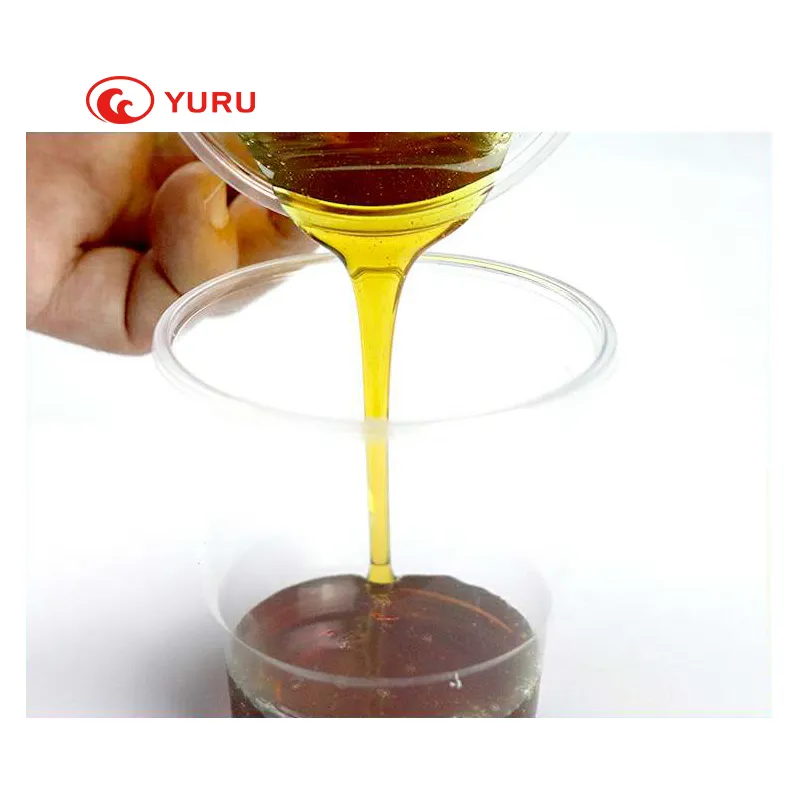
Polyurethane resin is the most common injection grouting material, particularly used in the prevention of active water leak. It is available in two major forms: hydrophilic (water-loving) and hydrophobic (water-repelling). When in contact with water, hydrophilic polyurethane is able to expand and fill up all the voids and fissures many times its original size. Hydrophobic polyurethane is water-repelling, yet makes a dense, flexible plug that is resistant to high pressure. Both types will continue to be elastic once they have cured, which will enable them to move with the concrete as the temperatures change or buildings settle. The Injection Grout by Nantong Yuru is mainly polyurethane-based and the product provides great adhesion, fast reaction and long-lasting durability in basements, tunnels, foundations and manholes.
Acrylate Gel: For Hairline Cracks and Sensitive Environments
Polyurethane resin can be excessively viscous to penetrate completely in extremely fine cracks - sometimes as small as 0.1mm. On such occasions, acrylate gel is more preferable. The viscosity of acrylate is extremely low and it is like that of water and thus it is able to enter into very small micro-cracks. When it gets inside it combines with a catalyst to create a soft, flexible gel that closes the leaks without stiffly attaching the structure. Acrylate grouts are commonly used in drinking water structures, including reservoirs and water treatment facilities, due to their non-toxicity, when totally cured. Although Nantong Yuru is mainly a polyurethane system company, we have the technical team to consult with you on the choice of material and our Injection Grout line is capable of being formulated into low-viscosity when it is required.
Epoxy Resin: For Structural Repair of Dry Cracks
Epoxy resin has another use as compared to polyurethane and acrylate. Epoxy is not reactive to water actually it should have a completely dry surface in order to bond. Nevertheless, it has very high compressive and tensile strength thus suitable in repairing the strength of cracked concrete. Epoxy is hard and not flexible therefore it is most appropriate in the dry and non-moving cracks in the load-bearing elements like bridge piers, parking garage columns, foundation walls (when the leaks have been sealed) and industrial floors. Polyurethane is the best option in case of active leaks or joints which undergo thermal movement. Polyurethane Polysulfide Sealant by Nantong Yuru is also available as a surface joint that both needs to be flexible and needs to have a strong permanent seal.
Cementitious and Hybrid Materials: When Are They Used?
Cementitious grouts consist of Portland cement, water and in certain cases polymer modifiers. They are the most ancient of grouting material and are cheap, hard and easy to work with. Nevertheless, they shrink and crack as time goes by thus not being reliable in pressurized or active water leakage. The cementitious grouts are most appropriate to fill large holes, stabilize soil or slow down water flow in non-critical situations like at the back of retaining walls or in large sewer pipes. It is now a material being used in the present as a hybrid with polyurethane cementitious material to provide bulk fill and flexibility. In the majority of professional waterproofing applications though, pure polyurethane injection grout is the most efficient, and the most lasting.
Which Material Should You Choose?
To select the right material to use in your injection grouting project, it will depend on the conditions you have:
| Condition | Recommended Material |
| Active, flowing water | Polyurethane resin (hydrophilic or hydrophobic) |
| Hairline, non-flowing cracks | Acrylate gel |
| Dry, structural cracks requiring strength | Epoxy resin |
| Large voids or soil stabilization | Cementitious grout |
Why Choose Nantong Yuru?
Nantong Yuru Engineering Materials Co., Ltd. was also formed in the year 2003 and is located at a strategic point whereby Nantong, Yancheng, and Yangzhou converge and has easy access to the sea, land, and air transportation. Our registered capital is 81.88 million yuan, we have a modern plant with a 16,888.68 square meter area, and output of 15,000 tons of waterproof materials every year. We pioneered in attaining ISO9001, ISO14001 and CE certifications in our industry. We also have a second level qualification on waterproofing contracting and we have also obtained several national and building materials industry awards.
By selecting our Injection Grout and Grout Pump, you are choosing materials and equipment which have decades of experience, stringent quality control and full site construction support. Get in touch with us to select the appropriate grouting material to use on your project.