
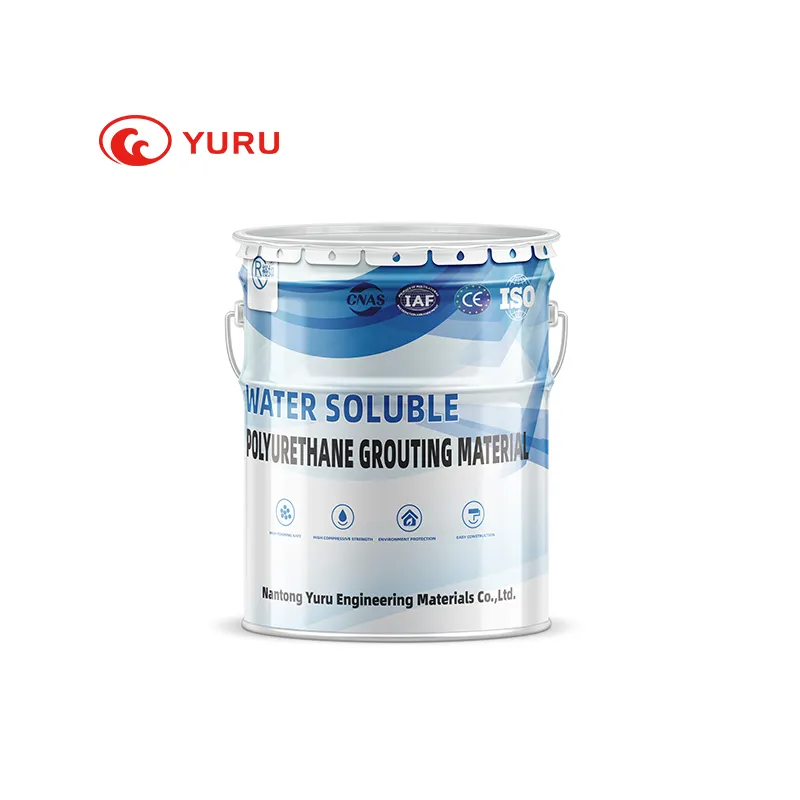
ग्राउटिङ निर्माण सामग्रीमा फुटेको ठाउँमा पानी बहन थालेपछि गरिने सबैभन्दा कार्यक्षम मर्मत प्रक्रिया हो। तर सबै ग्राउटहरू समान हुँदैनन्। ग्राउटको रासायनिक गुणहरू यसको पानीसँगको प्रतिक्रिया, लचक र प्रयोगको बिन्दु निर्धारण गर्ने कारक हुन्। स्थायी र जलरोधी मर्मतका लागि उपयुक्त रासायनिक पदार्थ छान्नु अत्यावश्यक छ। २० वर्षभन्दा बढीको अनुभव र वार्षिक १५,००० टन जलरोधी सामग्रीको उत्पादन क्षमता भएको नानटोंग युरु इन्जिनियरिङ मटेरियल्स को., लि.ले उच्च प्रदर्शनका इन्जेक्शन ग्राउट साथै सटीक ग्राउट पम्पहरू उत्पादन गर्दछ। ग्राउटिङमा प्रयोग हुने प्रमुख रासायनिक पदार्थहरू र तिनीहरूका प्रयोगहरू तल छलफल गरिएका छन्।
१. पोलियुरिथेन ग्राउट: सक्रिय जल रिसावका लागि मानक
पॉलियुरेथेन भनेको पानीको सक्रिय प्रवाह हुँदा विशेष गरी इन्जेक्सन ग्राउटिङमा प्रयोग गरिने सबैभन्दा सामान्य रासायनिक पदार्थ हो। पॉलियुरेथेन ग्राउटहरूलाई दुई श्रेणीमा विभाजन गर्न सकिन्छ: हाइड्रोफिलिक (पानीको ओर आकर्षित हुने) र हाइड्रोफोबिक (पानीबाट विकर्षित हुने)। पानीसँग सम्पर्कमा आउँदा, हाइड्रोफिलिक पॉलियुरेथेन फुल्दछ र एक पानी-रोधी, लचिलो फोम बनाउँछ जसले फाटाहरूलाई पूर्ण रूपमा भर्दछ। हाइड्रोफोबिक पॉलियुरेथेन पानीप्रति प्रतिरोधी हुन्छ, तर घना, भारी प्लग बनाउँछ। दुवै निर्माण पछि लचिलो हुन्छन्, जसले भवनमा फुट्नबिना गति सम्भव बनाउँछ। यस इन्जेक्शन ग्राउट नानटोंग युरुद्वारा निर्मित ग्राउट मुख्यतया पॉलियुरेथेन आधारित हो, जसले कंक्रिटसँग उत्कृष्ट बन्धन, छिटो प्रतिक्रिया र लामो जीवनकाल प्रदान गर्दछ। यो भूतल, सुरंग, मानहोल र आधारशिलाका फाटाहरूमा राम्रोसँग उपयुक्त छ।
२. एक्रिलेट ग्राउट: सूक्ष्म फाटाहरूका लागि कम श्यानता
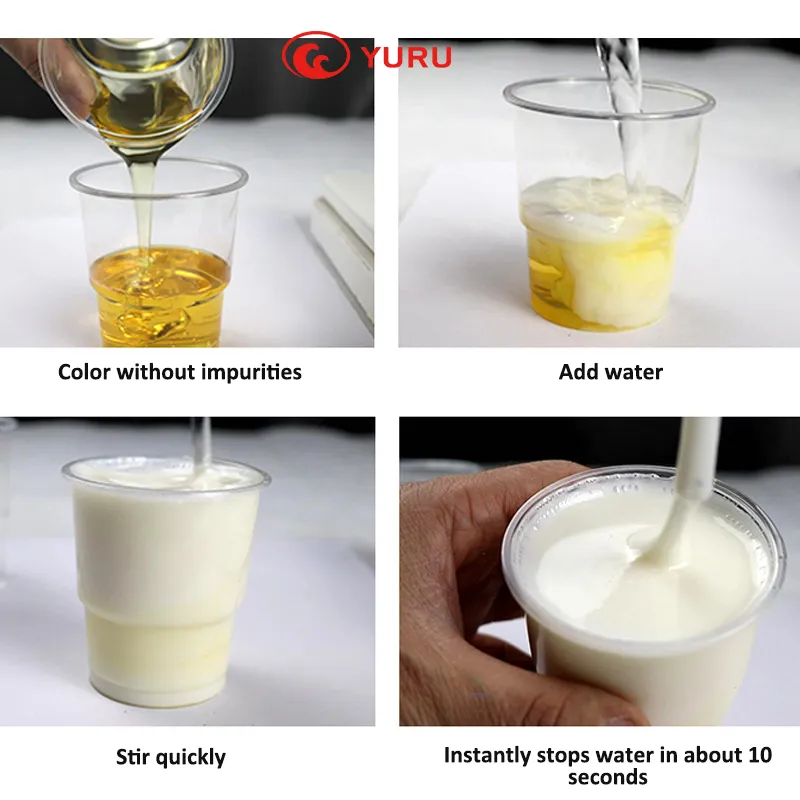
०.१ मिमी जस्ता धेरै साना फाँटहरू पोलियुरिथेनले पूर्ण रूपमा भर्न गाह्रो हुन सक्छ। यस्ता अवस्थामा, एक्रिलेट ग्राउट बढी उपयुक्त हुन्छ। एक्रिलेट रासायनिक पदार्थहरूको श्यानता पानी जस्तै धेरै कम हुन्छ र यी सजिलैसँग सबैभन्दा साना फाँटहरू र सूक्ष्म-फाँटहरूमा प्रवेश गर्न सक्छन्। प्रवेश गरेपछि, यी उत्प्रेरकसँग पुनः संयोजित हुन्छन् र एउटा नरम, लचिलो जेल बनाउँछन् जसले रिसावहरू बन्द गर्छ तर संरचनालाई कडा रूपमा जोड्दैन। एक्रिलेट ग्राउटहरूको प्रयोग धेरैजसो पिउने पानीका संरचनाहरूमा गरिन्छ किनभने यी उपचारपछि विषहीन हुन्छन्। यद्यपि नानटोंग युरु मुख्यतया पोलियुरिथेन प्रणालीमा केन्द्रित छ, हामी हाम्रो इन्जेक्शन ग्राउट लाइनलाई कम श्यानताको बनाउन सक्छौं, र हाम्रो प्राविधिक विभागले तपाईंको परियोजनाका लागि उपयुक्त रासायनिक पदार्थ खोज्न लागि परामर्श सेवाहरू प्रदान गर्न सक्छ।
३. एपोक्सी ग्राउट: सुख्खा फाँटहरूको लागि संरचनात्मक मर्मत
एपॉक्सी ग्राउटको प्रयोग फरक तरिकाले गरिन्छ। एपॉक्सी पलियुरिथेन जस्तै पानीसँग प्रतिक्रिया गर्दैन। वास्तवमा, यसलाई बाँध्नका लागि सम्पूर्ण रूपमा सुख्खा सतहको आवश्यकता हुन्छ। एपॉक्सी एउटा धेरै शक्तिशाली, कठोर चिपकाउने पदार्थ हो जसले भाङिएको कंक्रिटमा संरचनात्मक अखण्डताको पुनर्स्थापना गर्दछ। यो लचिलो छैन, तर यसले धेरै उच्च संपीडन र तन्य शक्ति प्रदान गर्दछ। संरचनात्मक मरम्मत नै प्रमुख उद्देश्य हुने ठाउँहरूमा, जस्तै पुलका पाइलरहरू, पार्किङ ग्यारेजमा स्तम्भहरू वा भार बोएका भित्ताहरूमा, सुख्खा र अचल फाँटहरूमा एपॉक्सी ग्राउट प्रयोग गर्नुहोस्। तथापि, सक्रिय रिसाव वा चल्ने जोडहरूको लागि पलियुरिथेन उत्तम विकल्प हो। पॉलीयुरिथाइन पॉलिसल्फाइड सीलेन्ट जोडहरूको, जुन लचिलोपन र सतह-स्तरीय सुरक्षाको आवश्यकता हुन्छ, लागि उपलब्ध छ नानटोङ युरुमा।
४. सिमेन्ट-आधारित र संकर ग्राउटहरू: यिनीहरू कहिले प्रयोग गरिन्छन्?
सबैभन्दा पुरानो प्रकारको ग्राउट सिमेन्ट-आधारित ग्राउट हो जुन पोर्टल्याण्ड सिमेन्ट, पानी र कतिपय अवस्थामा पोलिमर संशोधकहरू मिसाएर बनाइन्छ। यी सस्ता, कठोर हुन्छन्, त्यसैले ठूला छिद्रहरू भर्न, माटो स्थिर बनाउन वा दबाव नभएको पानीको प्रवाह रोक्न प्रयोग गर्न सकिन्छ। तथापि, सिमेन्ट-आधारित ग्राउटहरू सुक्दा सिकडिन्छन् र फुट्छन्, जसले गर्दा यी सक्रिय र दबावयुक्त रिसावहरूमा प्रयोग गर्न अनुपयुक्त बनाउँछन्। अन्य आधुनिक संकर ग्राउटहरू पोलियुरिथेन-सिमेन्ट मिश्रण हुन् जुन लचक र ठूलो मात्रामा भर्ने क्षमता दुवै प्रदान गर्छन्। अधिकांश पेशेवर जलरोधक प्रक्रियाहरूमा, शुद्ध पोलियुरिथेन इन्जेक्सन ग्राउट सबैभन्दा उपयोगी रासायनिक पदार्थ हो। हाम्रो ग्राउट पम्पले नानटोंग युरु इन्जेक्सन ग्राउटलाई समर्थन गर्छ, जुन रासायनिक पदार्थलाई दरारहरूमा स्थायी रूपमा धकेल्न आवश्यक उचित दबाव प्रदान गर्छ।
तपाईंले कुन रासायनिक पदार्थ छान्नुपर्छ?
तपाईंको रिसावसँग सम्बन्धित समस्याको समाधान हो:
सक्रिय, बग्दै गरेको पानी → पोलियुरिथेन ग्राउट (जलरागी वा जलविरोधी)
सूक्ष्म, बग्दै नगर्ने दरारहरू → बग्दै नगर्ने ग्राउट, एक्रिलेट ग्राउट।
सुख्खा, संरचनात्मक फाँटहरू → एपोक्सी ग्राउट।
ठूला खाली ठाउँहरू वा माटो स्थिरीकरण → सिमेन्ट-आधारित ग्राउट।
नान्टोङ युरु इन्जिनियरिङ्ग सामग्री कम्पनी लिमिटेड एउटा प्राविधिक परामर्शदायी फर्म हो जसले तपाईंलाई सही रासायनिक पदार्थ छनौट गर्नमा सहयोग गर्न सक्छ। हाम्रा इन्जेक्शन ग्राउट र ग्राउट पम्पहरू उत्पादनहरू उच्च गुणस्तरका छन्, हामी आइएसओ ९००१, आइएसओ १४००१ प्रमाणित छौं, दोस्रो स्तरको जलरोधी अनुबन्धन योग्यता र कतिपय उद्योग पुरस्कारहरूसँगै, हामी केवल उत्कृष्ट इन्जेक्सन ग्राउट र ग्राउट पम्पहरू नै होइन, तर पूर्ण निर्माण स्थलमा सेवाहरू पनि प्रदान गर्छौं। हामीसँग तपाईंको आवश्यकता भएको रासायनिक समाधान छ, बेसमेन्ट, सुरङ्गहरूसम्म।
आजै हामीसँग सम्पर्क गर्नुहोस् र आफ्नो ग्राउटिङ परियोजनाको बारेमा छलफल गर्नुहोस्।