Tel: +86 15051225801
Email: [email protected]

Tel: +86 15051225801
Email: [email protected]
Hydrophilic grout is one special type of material used in construction to prevent water’s entry into a building and other structures. Yuru is a company that produces hydrophilic grout. It’s a favorite of many builders and contractors. In this article we’ll discuss the benefits of hydrophilic grout, how it can stop water from getting into buildings, and how it can seal concrete, why it’s good for the environment, and, finally, how to use it properly.
There are many advantages to using hydrophilic grout. First, it is easy to use. You combine it with water and pour it into cracks or holes to seal them. It dries fast and creates a tough seal to stop water. This keeps buildings dry and damage-free due to leaks. Its effectiveness is enhanced when used with products like Injection Grout, which can further improve water sealing capabilities.
Hydrophilic grout can block water through a process that includes swelling when it comes into contact with water. Should water enter into a structure, the grout expands and is forced into any cracks or holes, allowing water to go no further. This can be useful for preventing expensive leaks. Additionally, using a Grout Pump can facilitate the application of hydrophilic grout, ensuring it reaches all necessary areas effectively.
One of the other really great things about hydrophilic grout is that it can seal concrete in lots of different ways. It can be poured into cracks or applied as a coating to concrete walls or floors. This also happens to be extremely useful to builders who would like to keep water out.
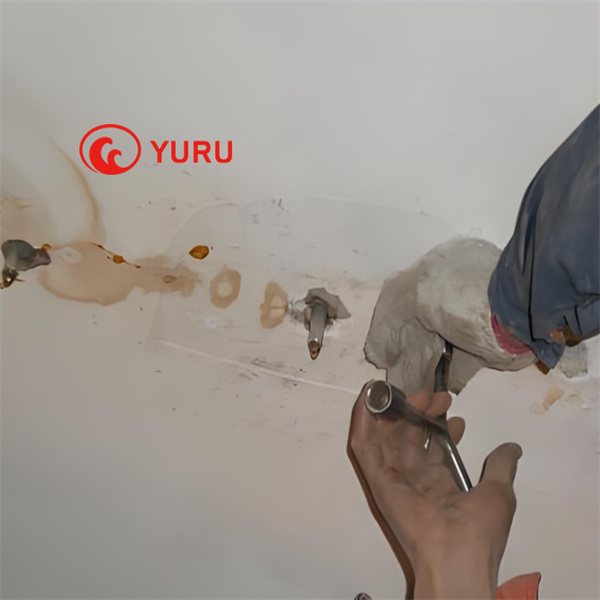
In addition, hydrophilic grout is also environmentally friendly. It's constructed from natural materials, free from harmful chemicals that off-gas into the air or water. This makes it an excellent option for builders looking to help the planet.
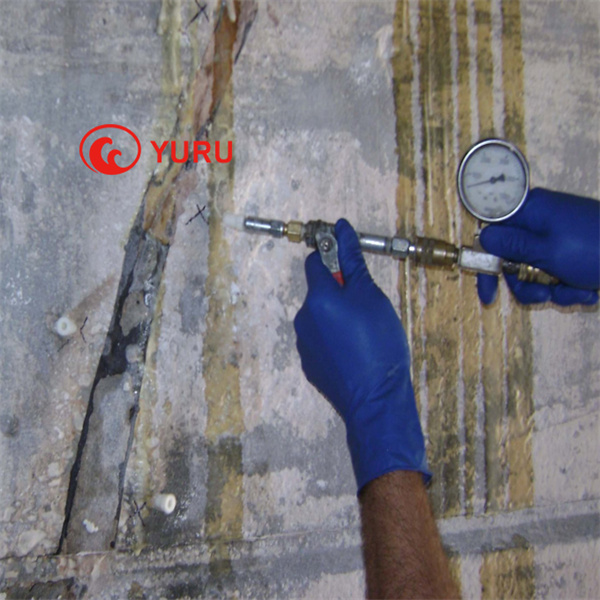
Then put some fruit or something in it and pour the grout in to the top of the mold. If you’d like to try out hydrophilic grout in your next project, follow these tips to use it successfully. The first step is to do as it is directed and mix the grout with water. The right combination is crucial to a strong seal.
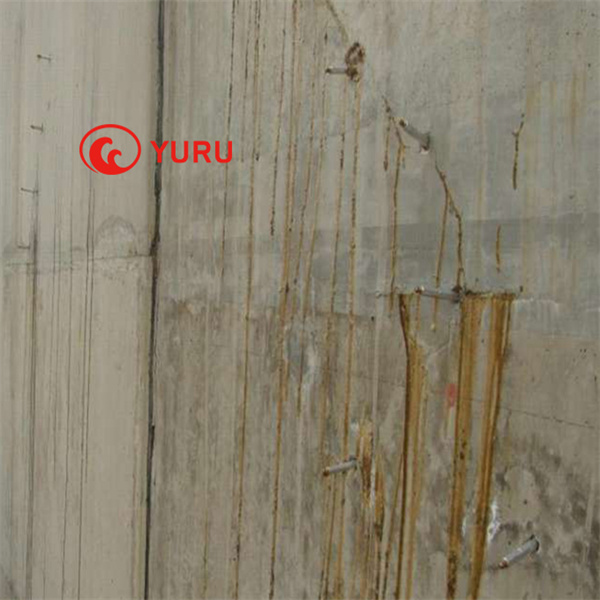
Another advice is to spread the grout evenly onto the surfaces which need sealing. This will ensure that there are no spaces where water can seep in. Lastly, be sure to let the grout dry before any water or other material comes into contact with it.

Subscribe to our newsletter for daily new and updates
No.1, Qiu Hunan Industrial Concentration Zone, Duntou Town, Haian City, Nantong City, Jiangsu Province.
Copyright © Nantong Yuru Engineering Materials Co., Ltd. All Rights Reserved
